Berry & Vision Berry & Vision
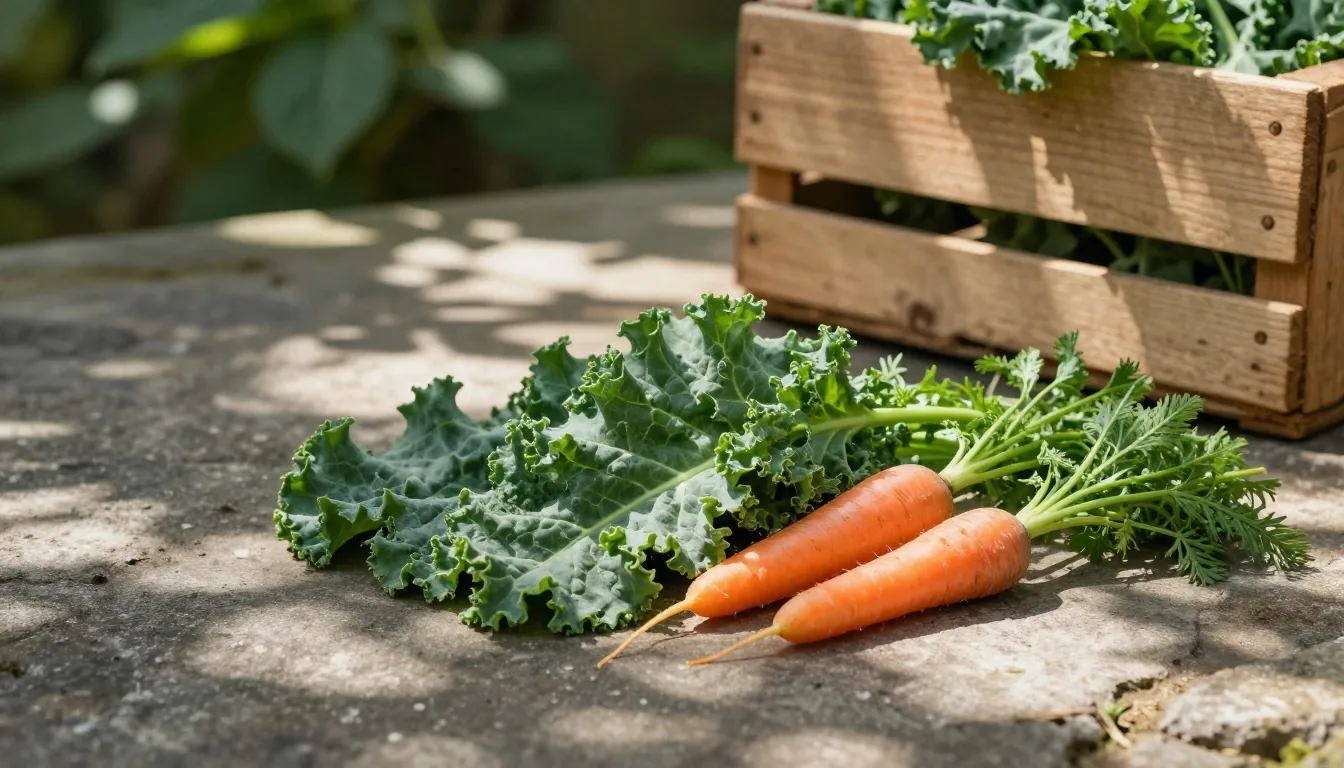
Leafy greens in a market basket in late-afternoon light
Field guides for South African kitchens

Vegetable guides for eye-friendly meals

Our vegetable guides cover the produce most relevant to eye wellness, with a focus on what is grown and sold in South Africa. Each guide explains the key nutrients, offers cooking suggestions, and notes when the vegetable is in season.

What these guides cover

Carrots, spinach, and kale are the starting points, but the archive also includes sweet potatoes, pumpkin, and other orange and dark green vegetables. Each entry explains what nutrients the vegetable offers, where it comes from, how to prepare it, and when it is at its best in South African shops and markets.

Eight vegetable guides Nutrients and origins Seasonal availability
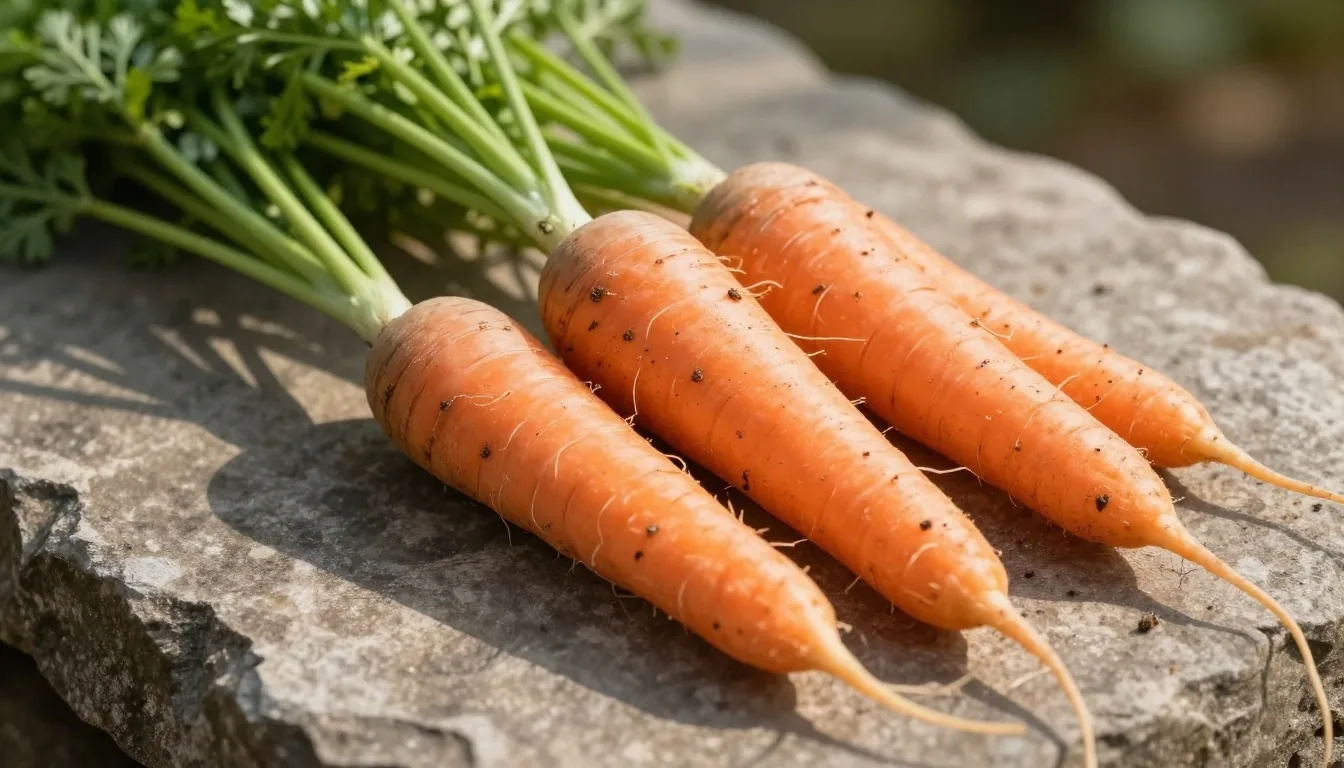
Carrots with green tops on weathered stone
Root vegetable guide

Carrots

Carrots are the vegetable most people associate with eye wellness, and they do contain high levels of beta-carotene, which the body converts into vitamin A. South African carrots are available year-round and are inexpensive. They grow well in most provinces and are a staple in supermarkets and informal markets alike.

Cooking carrots with a small amount of fa improves beta-carotene absorption. Roast them, grate them into salads, or add them to soups and stews. The natural sweetness intensifies with roasting, making them a versatile base for both savoury and sweet dishes.

Leafy vegetable guides

Spinach and kale

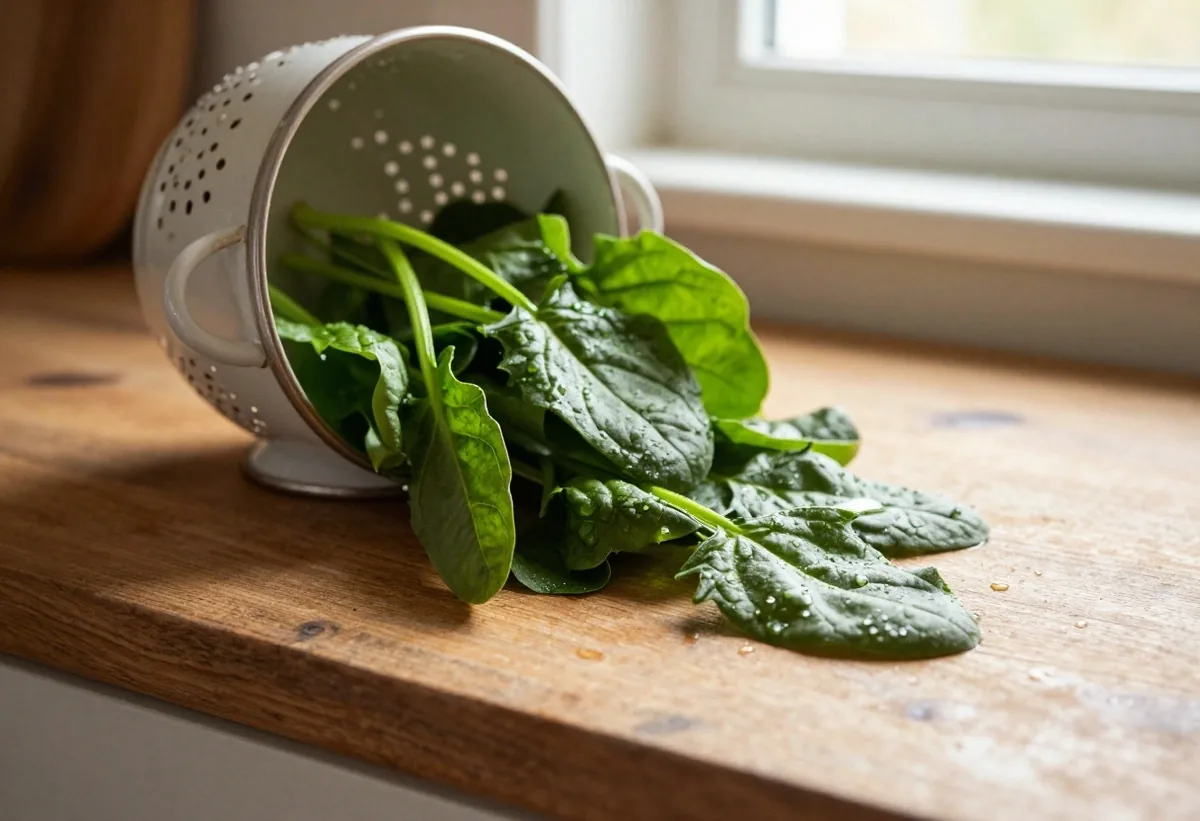
Fresh spinach leaves in a colander

Spinach

Spinach is one of the best dietary sources of lutein and zeaxanthin, two pigments found naturally in the retina. It is grown across South Africa and is available year-round, with baby spinach sold in clamshell packaging in most supermarkets and large-leaf spinach sold in bunches at markets.

Spinach wilts down significantly when cooked, so a large bag yields a surprisingly small portion. Sauté it with garlic and olive oil, or add it raw to smoothies if you prefer.
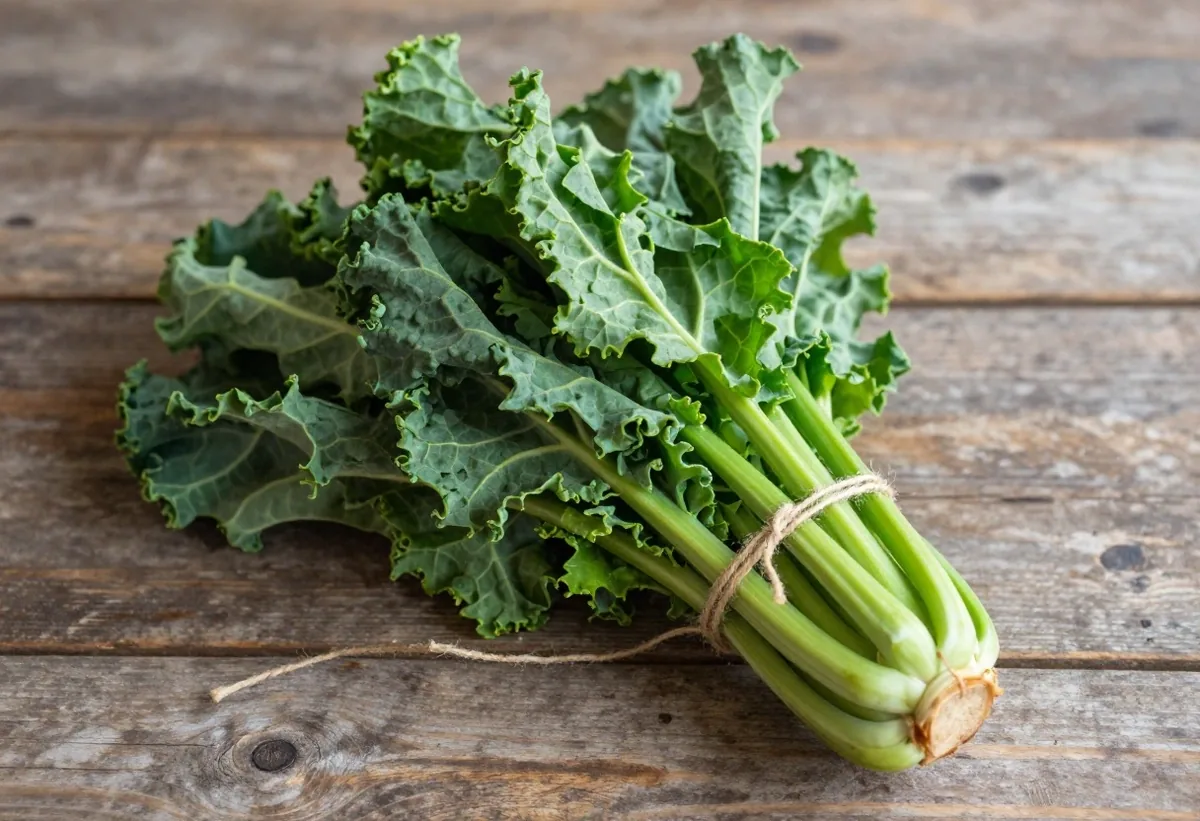
Fresh kale bunch on a wooden market table

Kale

Kale has become more widely available in South Africa over the past decade, though it is still less common than spinach. It contains lutein, beta-carotene, and vitamin C. Kale grows well in cooler South African climates and is sometimes found at farmers' markets and larger supermarkets.

The leaves are tougher than spinach and benefit from cooking or massage with oil before eating raw. Kale chips, roasted in the oven with a little salt, are a simple way to prepare it.

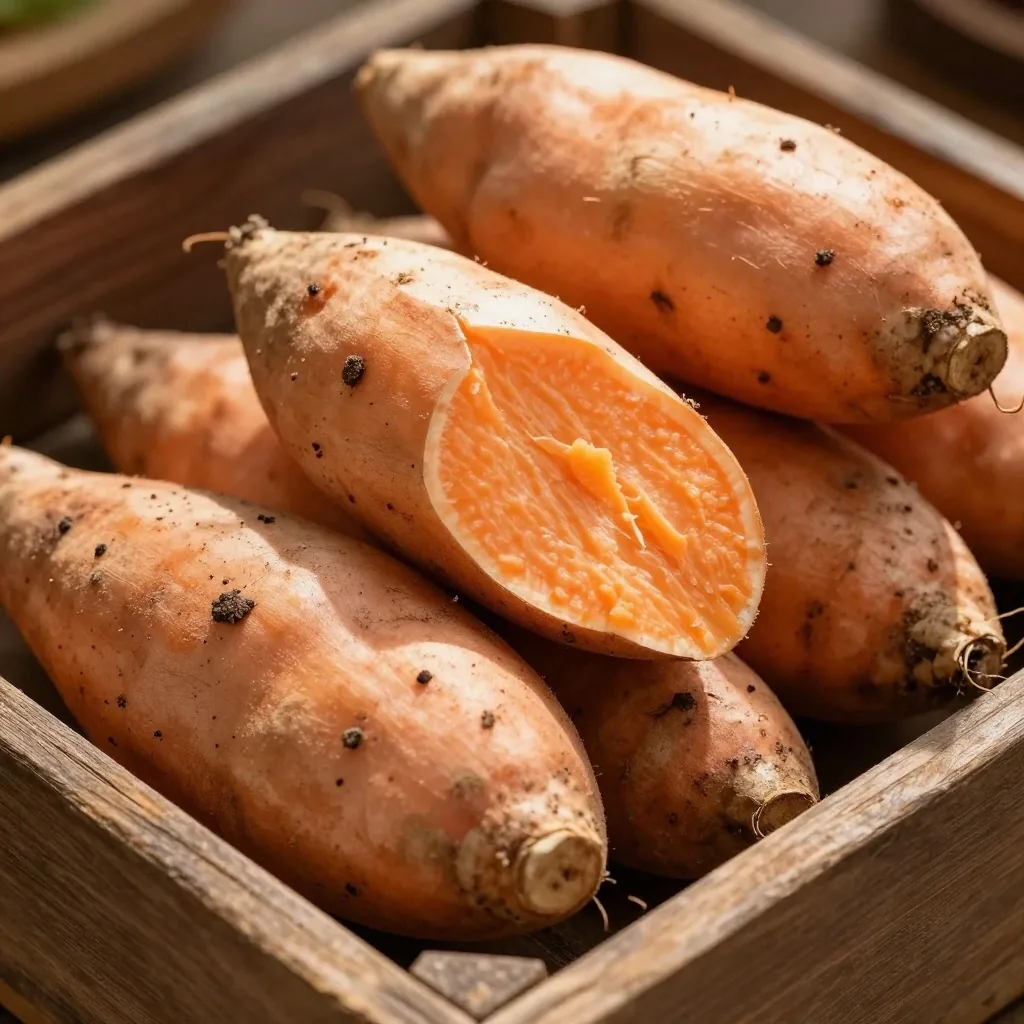
Sweet potatoes in a wooden crate
Root vegetable guide

Sweet potatoes

Sweet potatoes are a staple in many South African households and are an excellent source of beta-carotene, particularly the orange-fleshed varieties. They are grown in several provinces and are available year-round at low cost.

Sweet potatoes are versatile: bake them whole, cut them into wedges, mash them, or add them to curries and stews. Their natural sweetness pairs well with spicy and savoury flavours, and they hold their texture better than regular potatoes in slow-cooked dishes. A baked sweet potato with a little butter and salt is one of the simplest sides you can make.

When shopping, look for firm, unblemished skins. Smaller sweet potatoes tend to be sweeter and cook more evenly. Store them in a cool, dark place — not the refrigerator, as cold temperatures alter their texture and flavour.

Orange-fleshed squash guides

Pumpkin and butternut squash

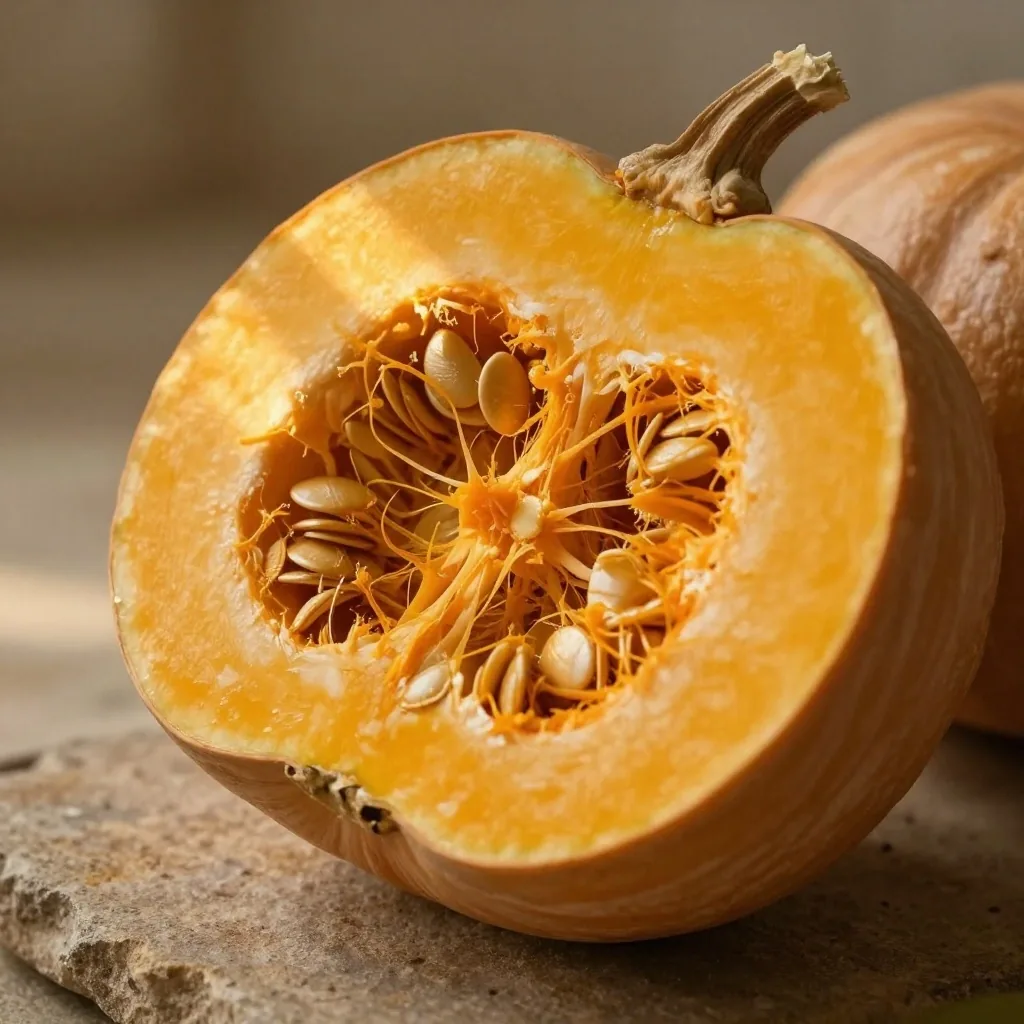
Halved pumpkin showing orange flesh

Pumpkin

Pumpkin is widely grown in South Africa and appears on supermarket shelves and at market stalls throughout the year, with peak supply in autumn. Like sweet potatoes, orange-fleshed pumpkin varieties are rich in beta-carotene.

Traditional South African pumpkin dishes often combine it with sugar or syrup, but pumpkin is equally good roasted with savoury spices or pureed into soup. Try it cubed and roasted with cumin and coriander for a simple side that keeps for two days in the fridge.

Peak season: Autumn · Available year-round

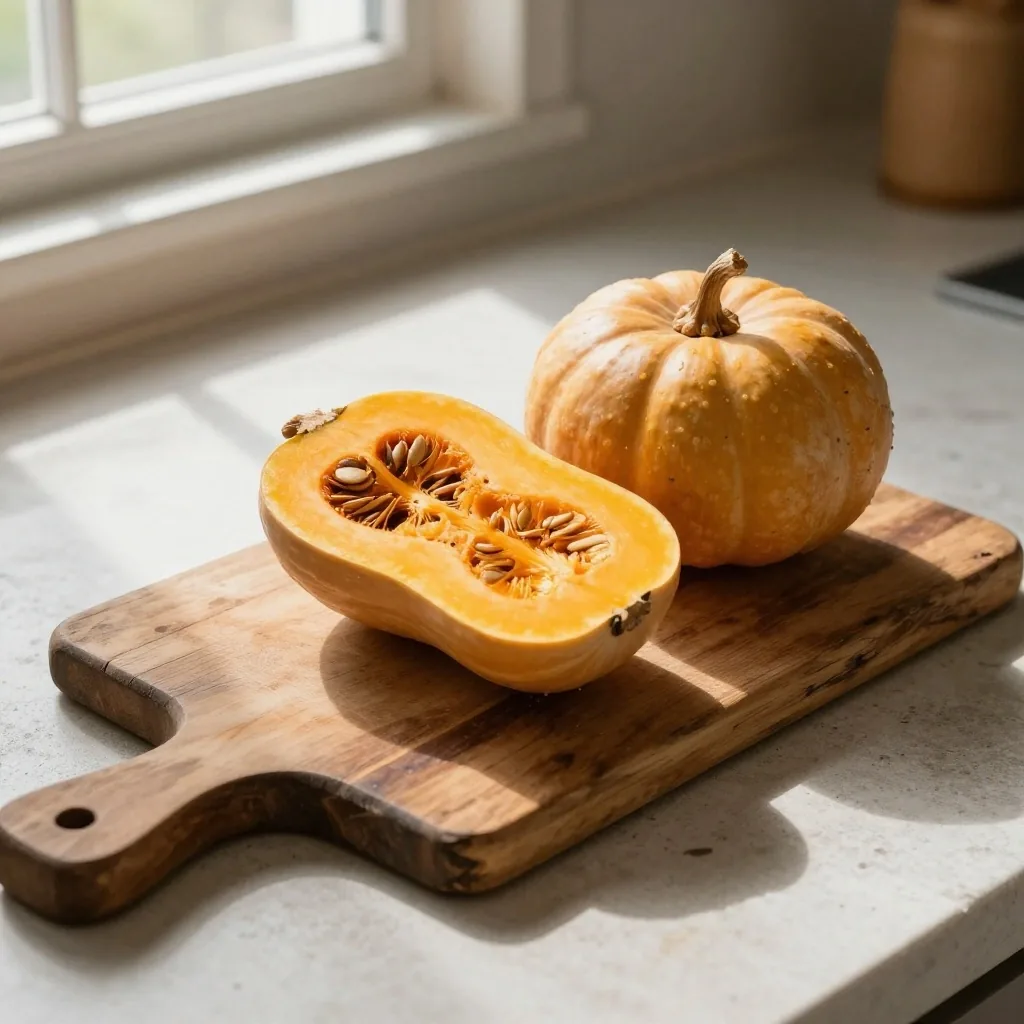
Halved butternut squash on a cutting board

Butternut squash

Butternut is closely related to pumpkin and offers a similar nutrient profile, with high beta-carotene content. It is widely available, affordable, and easy to prepare because the skin is thin enough to peel with a vegetable peeler.

Roast butternut with olive oil and rosemary, or cook it into a soup with ginger and coconut milk. It stores well in a cool, dark place for several weeks, making it a practical vegetable to buy in bulk when prices are low.

Stores well: Several weeks in a cool, dark place

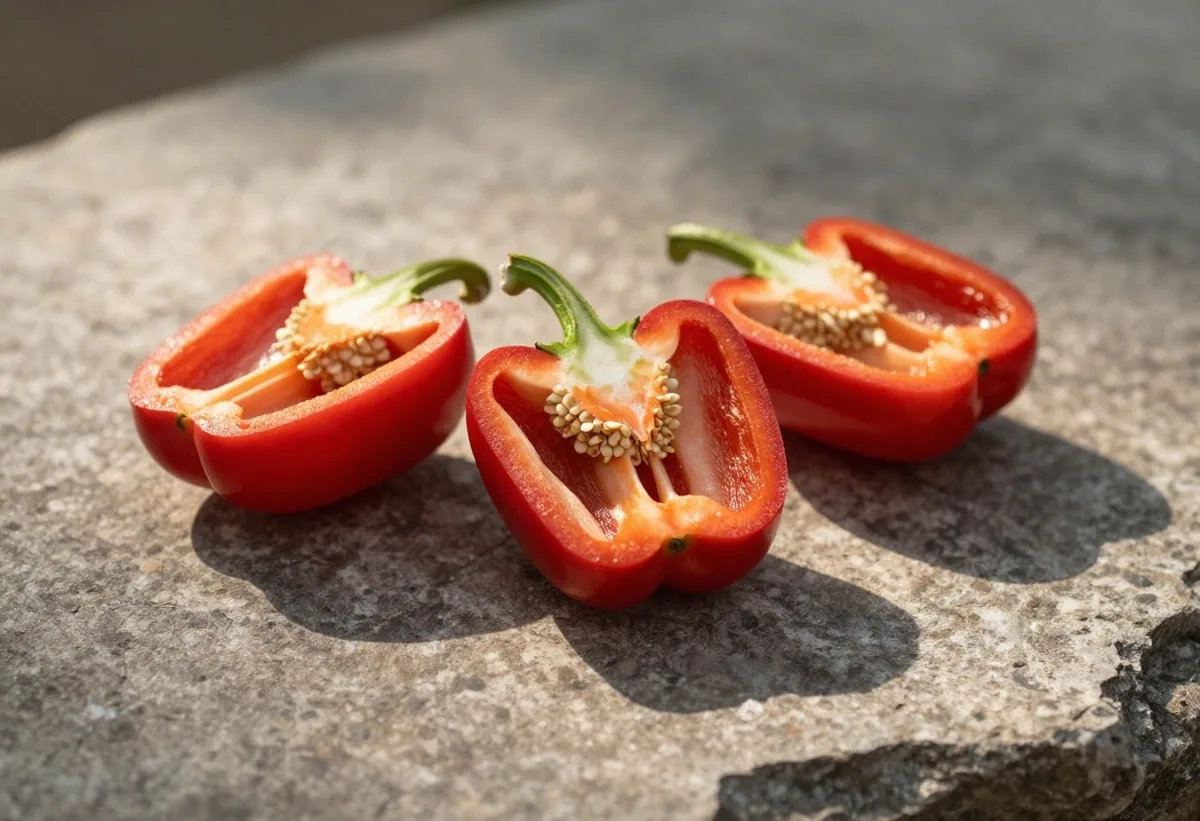
Red bell peppers on stone surface
Fruiting vegetable guide

Red bell peppers

Red bell peppers are one of the richest vegetable sources of vitamin C, containing significantly more than citrus fruits per 100 grams. They are grown in South Africa and are available year-round in most supermarkets.

Red peppers are sweeter and contain more beta-carotene than green peppers, which are simply unripe versions of the same fruit. Eat them raw in salads, roast them, or add them to stir-fries and stews. Roasting whole peppers until the skin blisters, then peeling them, concentrates the sweetness and gives a smoky depth to salads and dips.

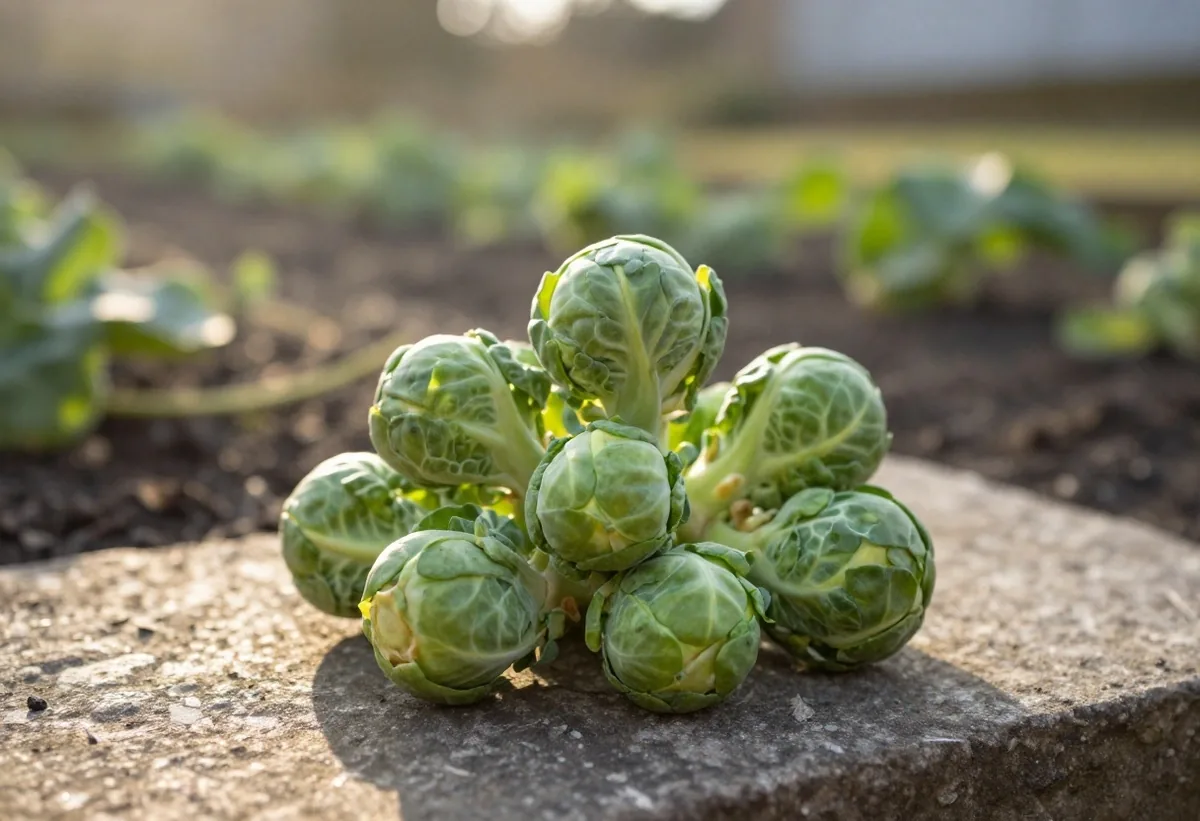
Brussels sprouts on a wooden surface
Cool-season vegetable guide

Brussels sprouts

Brussels sprouts contain lutein and vitamin C, and they are available in South African supermarkets during the cooler months, typically from April to September. They are not as popular locally as in Europe, but they are worth seeking out.

Roast them with olive oil and a little salt until the outer leaves are crisp. Overboiling ruins both the texture and the nutrient content, so keep cooking times short. Halved and roasted sprouts pair well with a squeeze of lemon and a sprinkle of toasted nuts.

Common questions

Vegetable guide questions

Which vegetables in South Africa are best for eye wellness?

Carrots, spinach, kale, sweet potatoes, pumpkin, butternut squash, red bell peppers, and Brussels sprouts are the vegetables covered in this archive. They share high levels of beta-carotene, lutein, zeaxanthin, or vitamin C — nutrients that play a role in maintaining eye wellness as part of a varied diet.

Are these vegetables available year-round in South Africa?

Most of the vegetables in these guides are available year-round in South African supermarkets and markets. Carrots, spinach, sweet potatoes, butternut, and red bell peppers are stocked consistently. Pumpkin peaks in autumn. Brussels sprouts are seasonal, typically found from April to September during the cooler months.

How should I cook these vegetables to keep their nutrients?

Cooking methods matter. Roasting carrots with a little fa helps the body absorb beta-carotene. Spinach and kale benefit from quick sautéing rather than long boiling. Red bell peppers retain more vitamin C raw or lightly roasted. Brussels sprouts should be roasted or briefly steamed — overboiling reduces both texture and nutritional value.

Where can I order these vegetables from local suppliers?

Our supplier directory lists South African produce vendors who stock the vegetables covered in these guides. Visit the order page to browse suppliers by region and produce type. Each listing includes what they grow or stock and how to reach them directly.

Order fresh produce

Find a South African supplier for the vegetables in these guides

Browse our directory of local produce vendors and order carrots, spinach, kale, sweet potatoes, and other vegetables directly from growers and markets near you.