Berry guides
Individual profiles of fruits like blueberries, goji berries, and mulberries — what they contain, when they are in season locally, and how to use them in everyday cooking.
Browse berry guides →Find us in Rosebank
157 Jan Smuts Avenue
Rosebank, Johannesburg, 2196
+27 11 788 3341 [email protected]Monday to Friday, 9:00 AM – 6:00 PM
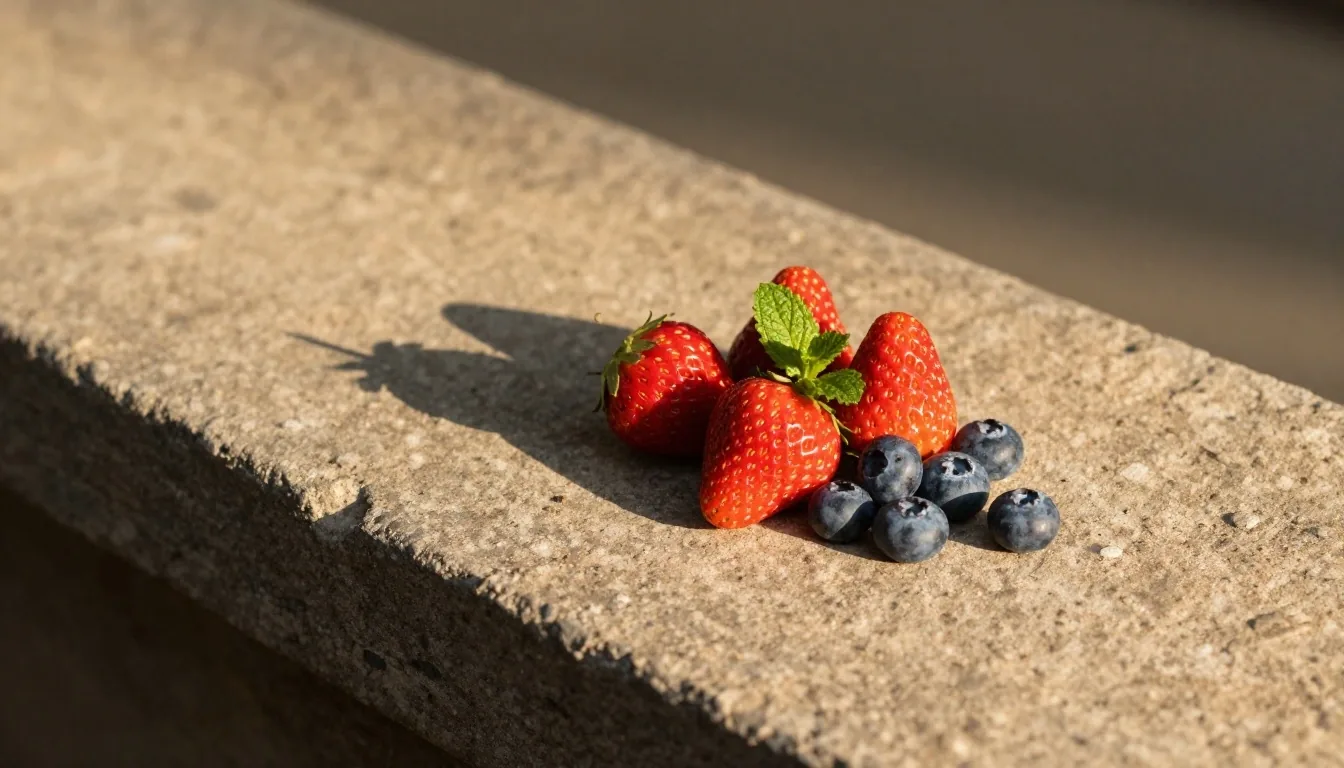
An independent blog based in Johannesburg, written for South African readers who want to understand which berries and vegetables contain nutrients relevant to eye wellness — and where to buy them locally.
The idea came from a simple frustration. Most information about eye-friendly foods falls into one of two camps. On one side, there is advice so broad it barely helps — "eat more greens" tells you the category but not which greens, not what they contain, and not what to do with them once you bring them home. On the other side, there are dense academic papers about retinal pigments that assume a reader who already knows the chemistry.
Berry & Vision was built to sit between those two. We wanted something specific enough to be useful — naming the actual fruit, the actual nutrient, the actual preparation — but plain enough to read over a cup of coffee. Every guide ties back to food you can buy in South African shops and markets, not imported ingredients you would struggle to find.
That middle ground is what we try to fill. We are not trying to replace a balanced diet or offer instructions on what to avoid. We are here to make the produce aisle a bit more legible, one berry or vegetable at a time.
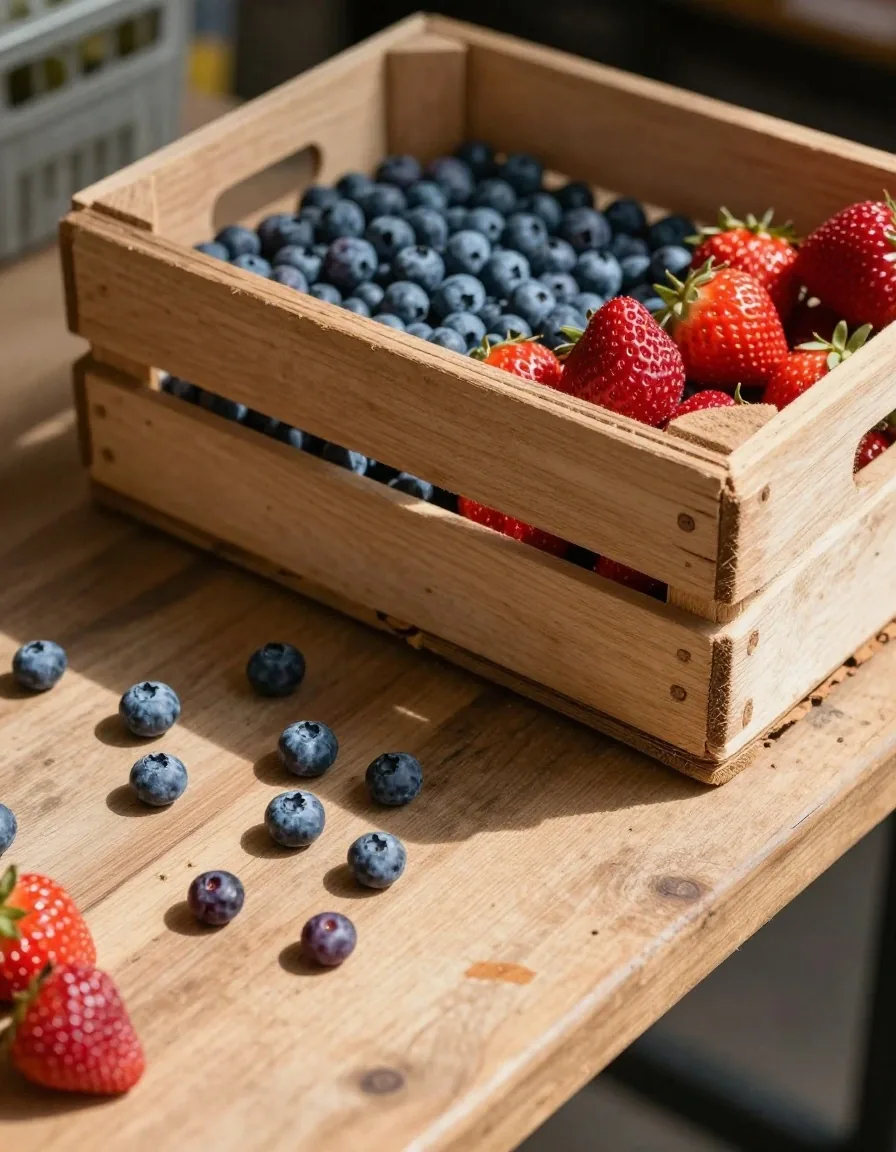
Individual profiles of fruits like blueberries, goji berries, and mulberries — what they contain, when they are in season locally, and how to use them in everyday cooking.
Browse berry guides →The same treatment for carrots, spinach, kale, sweet potatoes, and other produce — covering what each one naturally contains and how to prepare it without losing the compounds that matter.
Browse vegetable guides →Plain-language explainers on compounds like lutein, beta-carotene, zeaxanthin, and vitamin C — where they occur naturally and what role they play in eye wellness, tied back to whole foods.
Explore nutrients →Every article we publish ties back to food you can buy, prepare, and eat. We do not write about powders or capsules — only whole produce, the way it grows and the way it arrives at a market table.
Our research follows a consistent path so you can trace every claim in a guide back to the same type of source. We do not rely on brand marketing or supplement brochures. Here is what happens before a guide is published.
We start with established food composition databases to confirm which nutrients are present in each fruit or vegetable. These databases list measurable compounds — vitamins, pigments, antioxidants — in standard portions, and they form the factual floor of every guide.
Next we verify whether that produce is grown or sold in South Africa. We note which provinces are suitable for cultivation, whether it is commonly stocked, and roughly when it comes into season locally. If a fruit is imported or hard to find, we say so rather than presenting it as a staple.
For less common produce, we contact local health food shops and market vendors to confirm availability before publishing. If a supplier tells us they stock an item only briefly or seasonally, that detail goes into the guide so you know what to expect before you walk into a shop.
Where the nutrition science around a nutrient is still developing, we say so rather than presenting preliminary findings as established fact. If the evidence for a particular compound is mostly from laboratory settings and not yet from whole-food studies, that distinction goes in the text.
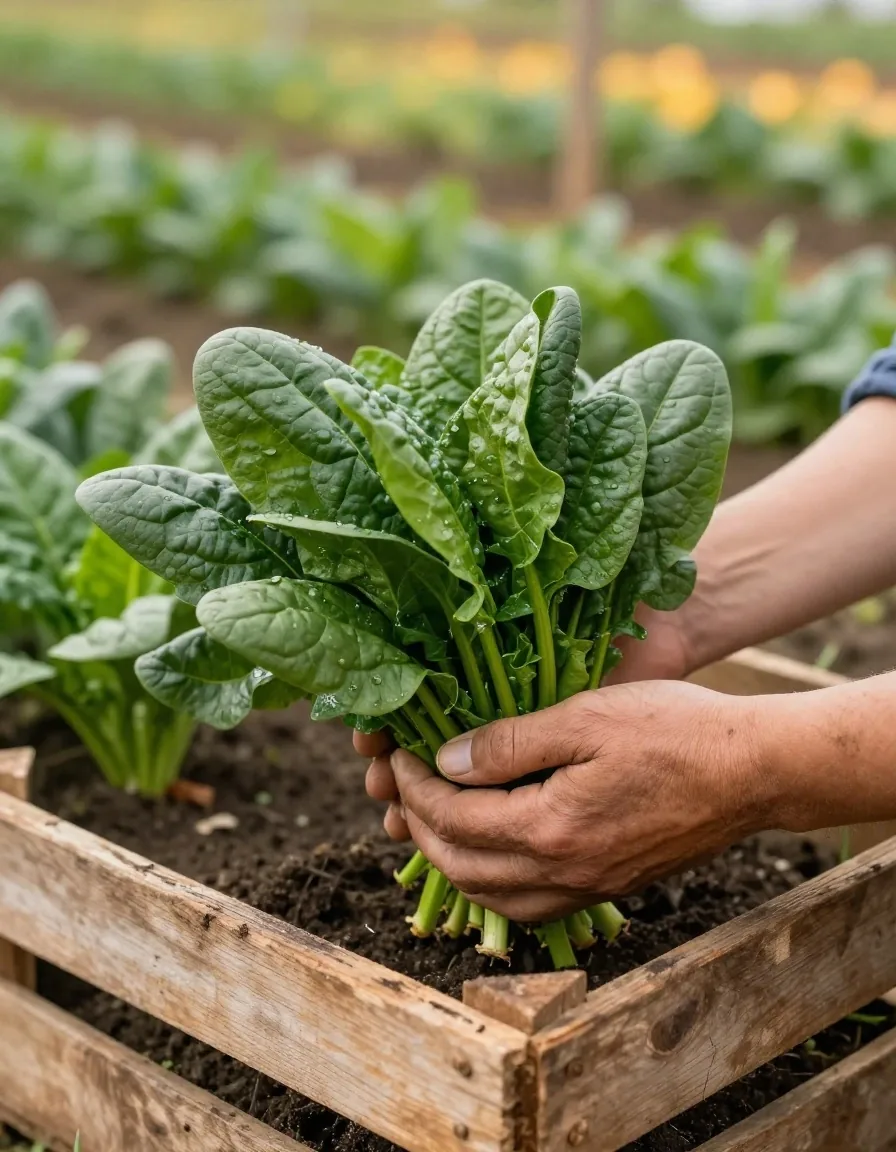
We do not review, recommend, or sell supplements. This blog is about whole foods — berries and vegetables as they come off a market table. If a guide mentions a nutrient like lutein or beta-carotene, it is because that nutrient occurs naturally in the produce being discussed, not because we are suggesting you buy it in a bottle.
We believe food is the most accessible way for most people to increase their intake of these compounds. Cooking with real produce is something you can sustain over years — it fits into meals, it costs what produce costs, and it does not depend on remembering to take a pill each morning.
If you are considering supplements for any reason, that is a conversation to have with a qualified professional. We can point you to the produce. We cannot tell you what to take.
We do not accept payment from produce suppliers in exchange for positive coverage. A supplier appears in our directory because they stock relevant produce and operate in South Africa — not because they have paid us.
If a supplier asks to be listed and meets our criteria, we add them at no cost. The criteria are straightforward: they must sell the produce we write about, they must be reachable from South Africa, and they must be willing to confirm what they stock.
We may include affiliate links in future, but only if they are clearly marked and directly relevant to the produce we cover. No hidden referrals, no paid placements dressed as guides.
Our editorial office is at 157 Jan Smuts Avenue, Rosebank, Johannesburg, 2196. We are registered in South Africa and focus on South African produce, suppliers, and seasonal patterns.
Our readers come from across the country, and we try to include suppliers from multiple provinces in our directory — not just Gauteng. If you know a grower or vendor we have missed, we would like to hear from you.
No. We do not accept payment from produce suppliers for positive coverage, and we do not publish sponsored articles. Supplier listings in our directory are included because the supplier stocks relevant produce and operates in South Africa, not because they have paid us. If we ever introduce affiliate links, they will be clearly marked.
Yes, please. We welcome suggestions for new produce to cover. If you know of a fruit or vegetable that grows in South Africa and contains nutrients relevant to eye wellness, send us a note through the contact page. If we can confirm its availability locally, we will add it to our list of planned guides.
Contact us through the contact page and tell us what you stock and where you are based. If you carry produce relevant to our guides and you operate in South Africa, we will add you to the directory at no cost. We may follow up to confirm what you carry before listing.
Because this blog is about whole foods. We believe food is the most accessible way for most people to increase their intake of the nutrients we discuss, and that cooking with real produce is more sustainable than relying on pills. If you are considering supplements for any reason, that is a conversation to have with a qualified professional.
Browse the berry and vegetable guides, or go straight to the directory if you are ready to find a local supplier.