South African Produce Blog
Berries and vegetables for everyday eye wellness
An educational blog about the produce you can eat to support your eyes over a lifetime — focused on South African-grown berries and vegetables, the nutrients they contain, and how to use them in ordinary cooking.
Eye Wellness
Why eye wellness starts on your plate
Your eyes rely on a steady intake of specific nutrients to stay comfortable and function well as you age. Lutein, beta-carotene, and vitamin C are among the most discussed nutrients in this area, and they occur naturally in common fruits and vegetables. A diet that regularly includes dark leafy greens, orange vegetables, and deeply coloured berries gives your eyes a practical, food-based source of these compounds.
This blog exists to make that information accessible, specific, and tied to produce you can actually buy in South Africa — not aspirational imports or supplement pills, but the vegetables and berries sitting on supermarket shelves and farmers' market tables from Johannesburg to Cape Town.
Berry Guides
What you will find in our berry guides
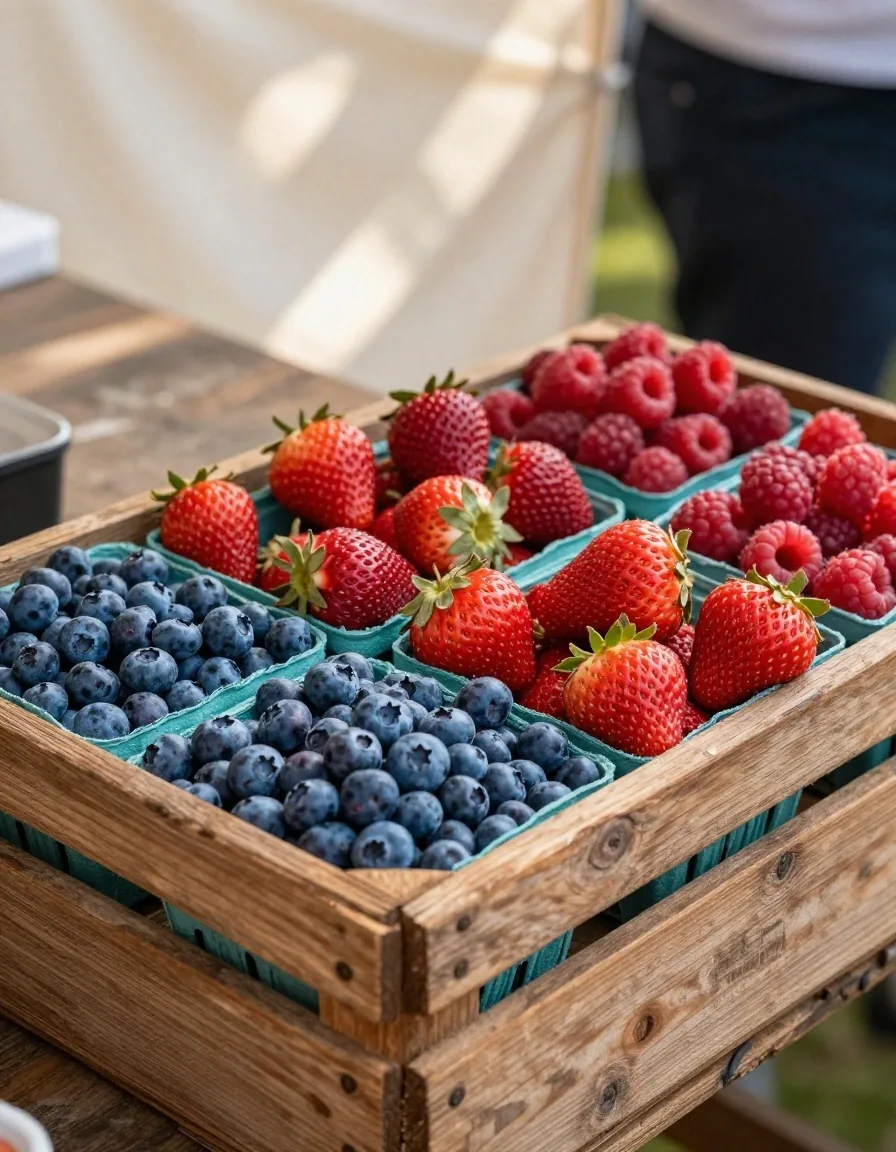
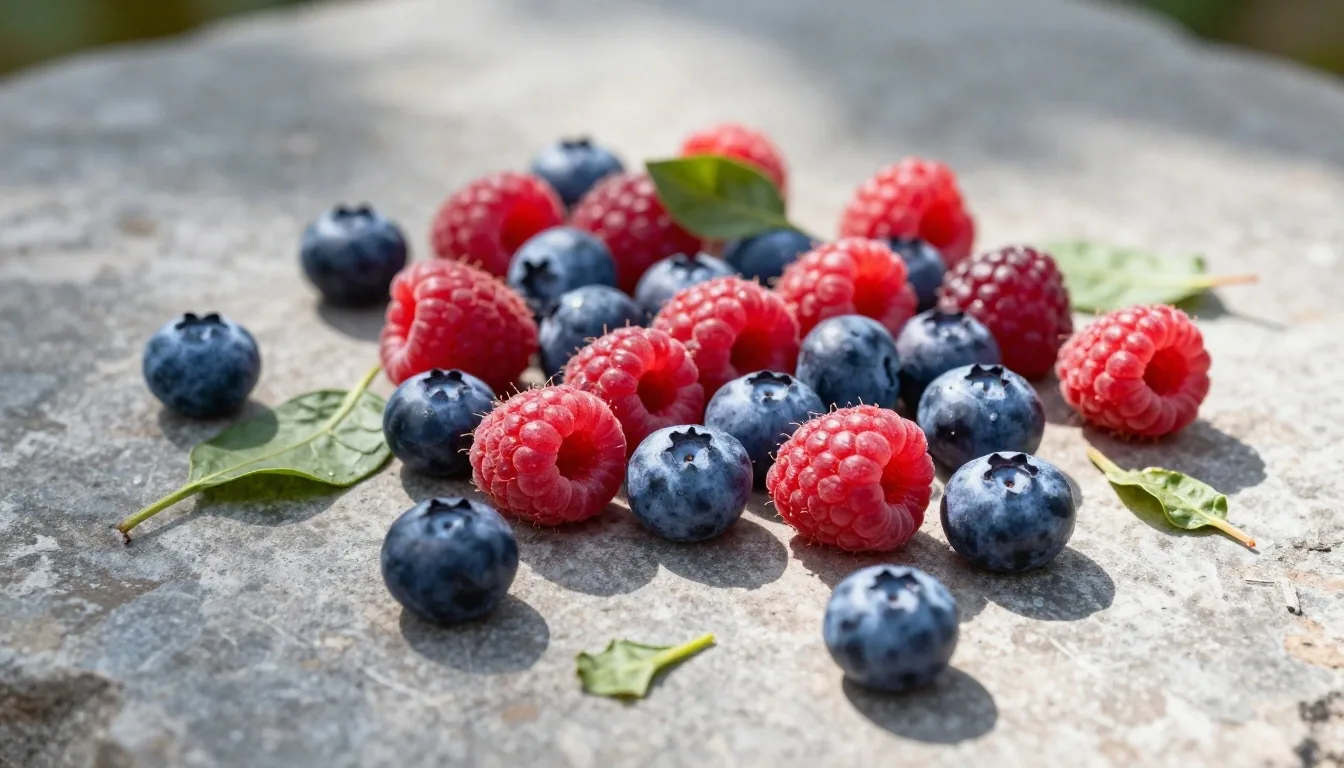
Our berry guides take a close look at individual fruits and their nutrient profiles. Each guide covers where the berry grows, what it contains, and how to prepare it. Blueberries, for example, are widely available in South African supermarkets and farmers' markets, and they contain anthocyanins — the pigments responsible for their dark blue skin. Goji berries, less common but increasingly stocked by health food shops, have a long history of culinary use in parts of Asia.
We write about both familiar and less common berries so you can make informed choices at the market. Each guide notes the growing season, typical retail availability, and what the berry actually contains — not vague wellness claims, but the pigment names, vitamin content, and cooking behaviour you can verify against a nutrient database.
Read the berry guides →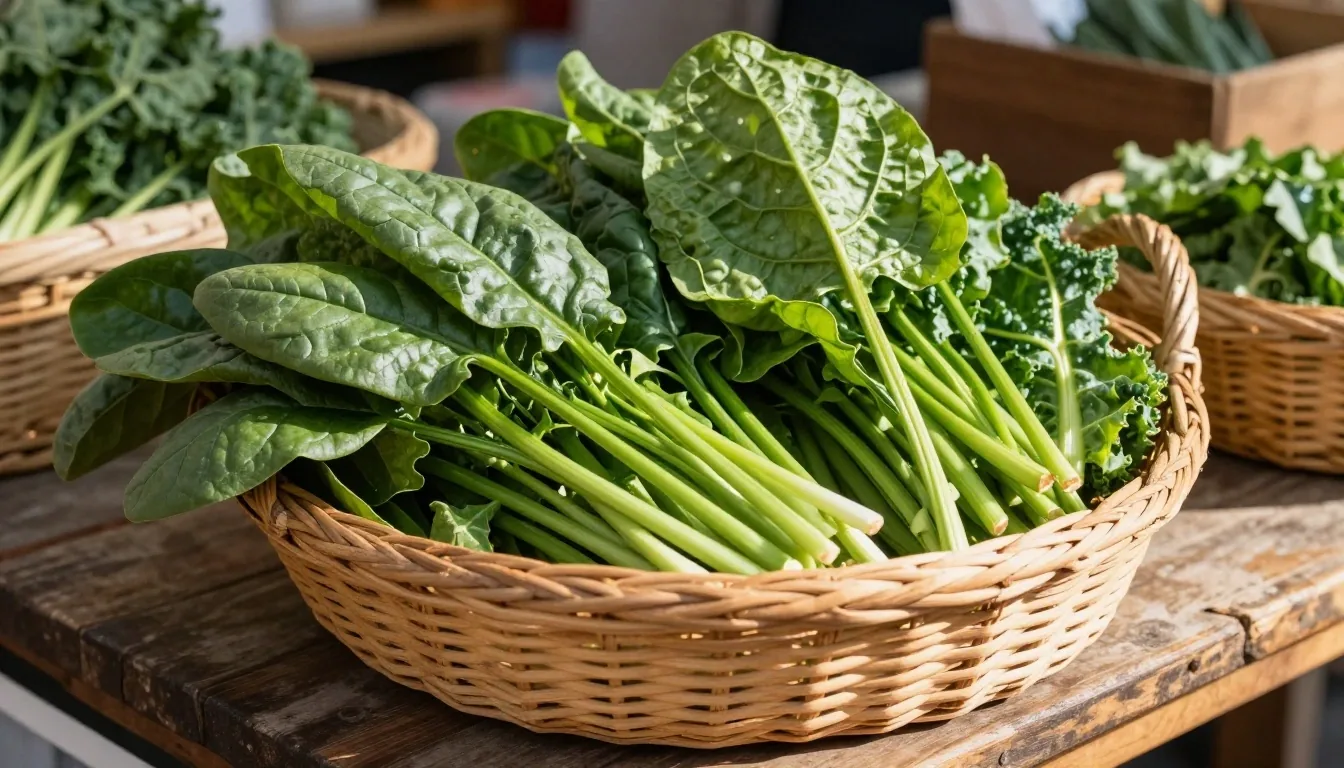
Leafy Vegetables
From berries to leaves
Spinach, kale, and Swiss chard carry lutein and zeaxanthin — pigments found naturally in the retina. The vegetable guides pick up where the berry guides leave off.
Vegetable Guides
What you will find in our vegetable guides
The vegetable guides follow the same structure as the berry guides but focus on vegetables that are particularly relevant to eye wellness. Carrots are the best-known example, but they are far from the only option. Each guide explains the nutrient content, offers cooking suggestions, and notes when the vegetable is in season locally.
Spinach & kale
Dark leafy greens that contain lutein and zeaxanthin — two pigments found naturally in the retina. We cover how to cook them with a little fa so your body absorbs the pigments effectively.
Read the vegetable guides →Carrots & sweet potatoes
Orange vegetables that provide beta-carotene in quantities easy to incorporate into meals. We note which cooking methods retain the most nutrients — steaming and roasting beat long boiling.
Read the vegetable guides →Pumpkin & butternut
Autumn and winter staples rich in beta-carotene. Our guides cover seasonal availability across South African provinces and what to substitute when these are out of season.
Read the vegetable guides →Nutrient Reference
Nutrients explained in plain language
We maintain a dedicated section on nutrients and eye wellness because the science can be confusing without context. Lutein is not a medicine; it is a pigment found in green leafy vegetables and egg yolks. Beta-carotene is the orange pigment your body converts into vitamin A as needed. Vitamin C, abundant in berries and peppers, supports the structure of blood vessels in the eye.
We explain what each nutrient does, where to find it in food, and what realistic expectations look like when you get these compounds from your diet rather than supplements. When a nutrient is still being studied, we note that the research is ongoing rather than presenting it as settled fact.
Browse the nutrient reference →Editorial Approach
How we choose what to write about
Three questions
Our editorial choices are driven by three questions: Is the produce available in South Africa? Does it contain nutrients relevant to eye wellness? Can it be used in everyday cooking? If a berry or vegetable meets all three criteria, it is a candidate for a guide. We prioritise produce that is in season and affordable, and we avoid writing about exotic imports that most readers cannot find locally.
Seasonal eating
South Africa has distinct growing regions, and produce availability varies by province and season. Berries are typically harvested in spring and summer, with peak availability from October to February. Leafy greens like spinach and kale grow year-round in many areas but are most abundant in cooler months. Carrots, pumpkins, and sweet potatoes are autumn and winter staples. We factor these seasonal patterns into every guide.
Cooking that preserves nutrients
How you prepare vegetables affects their nutrient content. Boiling carrots for a long time leaches beta-carotene into the water, while steaming or roasting retains more of it. Cooking spinach with a little fa, such as olive oil, helps your body absorb lutein more effectively than eating it raw. We include practical cooking notes in every guide because nutrient content on paper means little if the preparation method wastes those nutrients.
Supplier Directory
A directory of South African suppliers
Reading about produce is one thing. Actually buying it is another. Our supplier directory lists markets, farm stalls, and delivery services across South Africa where you can order the berries and vegetables featured in our guides. We include suppliers in Johannesburg, Cape Town, Durban, and smaller towns where possible. We do not sell produce ourselves; we connect you to the people who do.
Region
Johannesburg & Gauteng
Farmers' markets, organic grocers, and farm-to-door delivery services stocking seasonal berries and leafy greens.
Region
Cape Town & Western Cape
Weekend market stalls, farm stalls along the Winelands, and delivery services carrying winter root vegetables and summer berries.
Region
Durban & KwaZulu-Natal
Suburban fresh-produce markets and roadside farm stalls with year-round greens and subtropical fruit varieties.
Region
Smaller towns & rural areas
Roadside farm stalls and local grocers listed where possible, with notes on seasonal stock and delivery options.
Who This Blog Is For
Home cooks, parents, and curious readers
Berry & Vision is for anyone in South Africa who wants to eat well for their eyes. That includes home cooks looking for new ways to use spinach, parents trying to get more vegetables onto the dinner table, and people who have read about lutein or beta-carotene and want to know which foods contain them. If you buy your produce at a supermarket, a farmers' market, or a roadside stall, you will find something useful here. The blog does not assume specialist knowledge.
A Note On What This Blog Is Not
Informational, not advisory
Berry & Vision is an informational resource, not a nutritional advisory service. We do not provide dietary advice tailored to individuals, and we do not claim that any food on this blog will prevent, correct, or address any eye condition. If you have specific concerns about your vision or your diet, speak to a qualified professional. Our role is to share useful, accurate information about produce and nutrients so you can make your own informed choices.
Frequently Asked
Questions readers ask us
Can I buy berries and vegetables directly from Berry & Vision?
No. We do not sell produce. Our supplier directory lists South African markets, farm stalls, and delivery services where you can order the items featured in our guides.
Are the guides written for South African readers?
Yes. We focus on produce that is grown or available in South Africa, and we take seasonal availability and local pricing into account. If a berry or vegetable is not commonly stocked in South African shops or markets, we generally do not write about it.
Do you recommend supplements?
No. This blog is about whole foods. We explain which nutrients are found in which berries and vegetables, but we do not review or recommend supplement products. Our focus is on produce you can buy, cook, and eat.
Suggest a Topic or a Supplier
Tell us about a berry, a vegetable, or a supplier we should feature
We are always looking for new berries, vegetables, and suppliers to feature. If you grow or sell fresh produce in South Africa and stock items relevant to eye wellness, we would like to hear from you. If you are a reader who has come across an unusual berry or a vegetable variety we have not covered, tell us about it.